Vinyl Reinvented: What Artists Need to Know About Injection Moulded PET Records
Vinyl records have always been tied to tradition but as artists and labels explore different materials and manufacturing approaches while maintaining sound quality, new production techniques are starting to rewrite the rulebook.
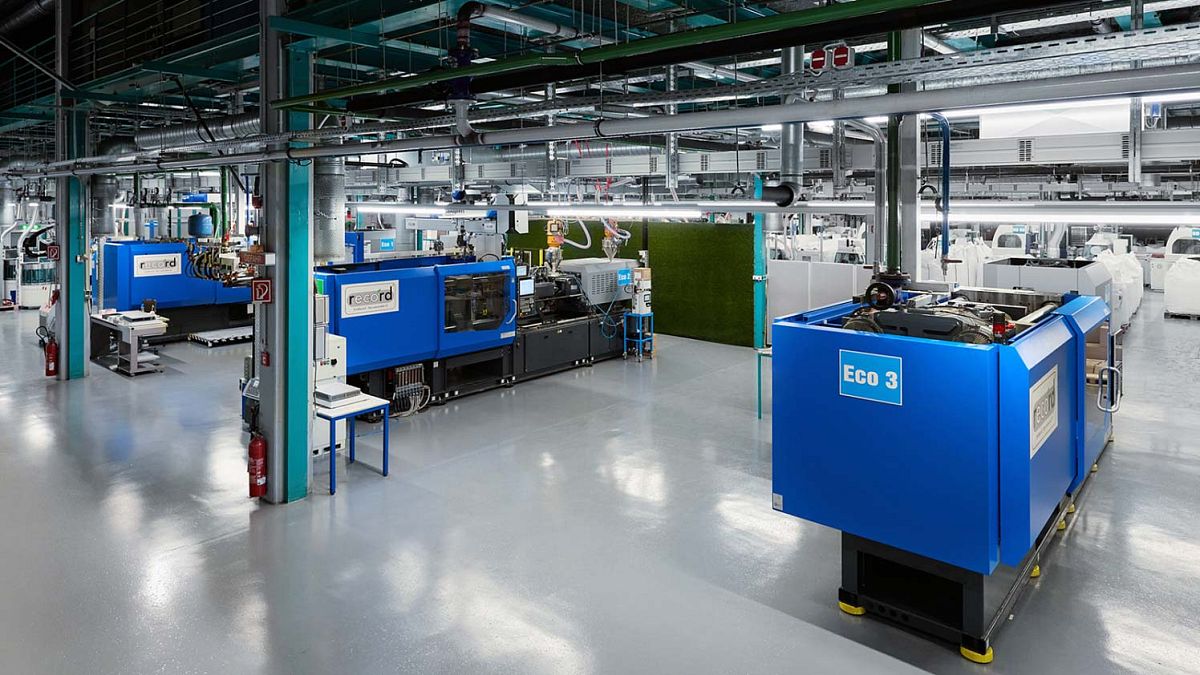
One of the most talked about developments in recent years is injection moulded vinyl a process that uses PET and high precision injection moulding rather than traditional steam heated PVC pressing. With roots in past production processes and eyes on the future, this method offers a different approach to record manufacturing. But, as with any innovation, it’s important to separate practical sustainability from marketing spin.
A Familiar Process, Reinvented
The idea behind injection moulding isn’t entirely new. In fact, it was used in the 1970s and ’80s to create lightweight 7 inch records made from polystyrene; often recognisable by their directly printed labels and lower durability. Today’s approach is vastly improved.
Thanks to innovators like Symcon in the Netherlands, injection moulding has been reborn using PET (polyethylene terephthalate) - the same material used in plastic drinks bottles. Unlike older methods, this new generation of moulded records rivals traditional vinyl in sound quality and feel.
How It Works
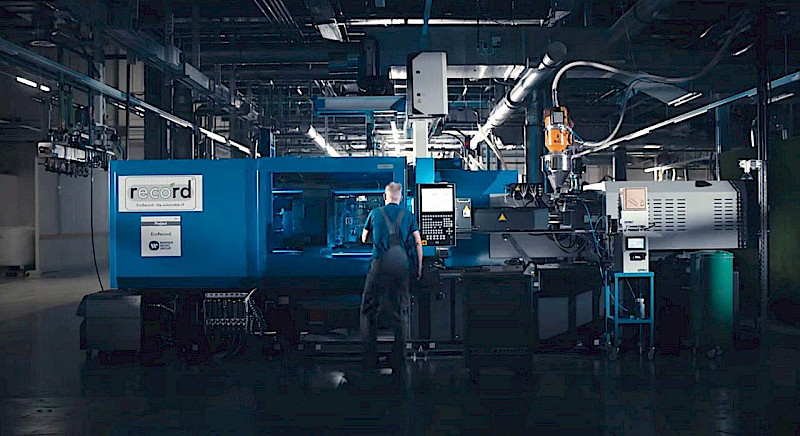
In standard vinyl pressing, heated PVC pellets are compressed between two stampers to create a record. With injection moulding, the process is different:
- PET plastic is melted at higher temperatures (around 300°C).
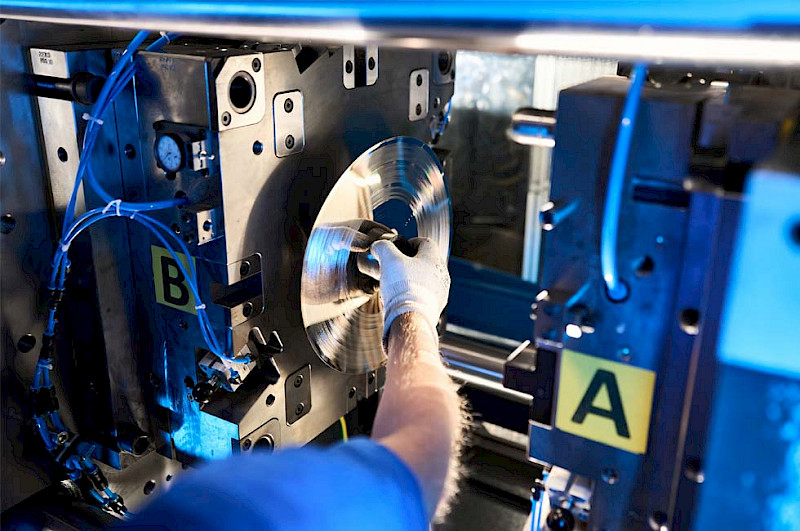
- It is then injected in liquid form between two stampers.
- After cooling, the mould opens and the record is released.
- The stampers themselves are identical to those used in traditional vinyl manufacturing, ensuring consistency in audio quality.
Sustainability: More Than Just Materials
Injection moulded PET records have several characteristics that differentiate them from traditionally pressed PVC records:
- Injection moulded records can be made using either virgin PET or post consumer recycled PET.
- The process does not use traditional steam heated record presses.
- Stampers may be used for up to 5,000 records per set, compared with approximately 1,500 to 2,000 for traditional vinyl pressing.
But sustainability isn’t just about the materials used - it’s also about context, logistics, and lifecycle impact.
What About River or Ocean Plastics?
You may have seen records made from recycled ocean or river plastics. While these products offer a great proof of concept, and draw attention to the plastic pollution crisis, the environmental outcome will depend on other factors including material processing, transport and the final manufacturing location.
The transporting of reclaimed plastic across continents will create additional emissions that need to be considered alongside both the source and the future use of the material. Recovered plastics will have a range of possible uses such as the manufacture of durable consumer goods or building materials. For a niche product like a record the sourcing, processing and transport involved must also be considered rather than assuming an environmental benefit just because the PET used in manufacturing is recovered and recycled. Records, while beautiful and culturally significant, are not essential items and so their sustainability case needs to be measured accordingly.
In short using recycled PET from a well managed, regional supply chain (such as recycled drinks bottles) represents one possible approach to using recycled material in record manufacturing.
Sound quality and durability
So how do these PET records perform? Initial test runs and releases show that injection moulded records deliver great audio quality, comparable to traditionally pressed vinyl. The key factors remain:
- Stamper quality
- Mastering precision
- Consistent production
- Quality control at every stage
As always, it’s not just about the manufacturing equipment - it’s about the people operating them.
What the current evidence shows
Industry footprinting found lower average cradle-to-gate emissions for the injection moulded PET records included in the study than for the traditionally pressed PVC records included in the study.
The reported averages were approximately 0.54 kg CO₂e per injection-moulded PET record, 0.75 kg CO₂e per European traditionally pressed PVC record and 0.93 kg CO₂e for the global traditionally pressed PVC average. These figures relate to specified 140g products and manufacturing scenarios assessed in the study. The injection-moulded average was based on two European manufacturers using 100% renewable electricity, so the results should not be presented as the verified footprint of every individual record or release.
More articles from Breed
FAQ on PET injection moulded records.
It’s not true to say that a record is sustainable just because it’s injection moulded. Injection moulded records are made using a different manufacturing process and with PET instead of traditional PVC vinyl. Industry footprinting has reported lower average cradle-to-gate emissions for the injection moulded PET records assessed, but the result for a particular release will depend on its specification and manufacturing circumstances.
They are made from PET, a plastic widely used in food and drink packaging. This means that injection moulded records can be made of virgin PET, recycled PET or a mix of the two.
Yes, in current tests and limited commercial releases, injection moulded PET records have shown excellent sound quality, comparable to traditionally pressed vinyl. As with any format, mastering, stamper quality, and quality control are critical factors in the end result.
Why use Breed Media for injection moulded PET records
At Breed Media, we work with innovative partners leading the way in next-generation record manufacturing. Our injection moulded vinyl options offer: Lower impact production, high-quality sound, a viable alternative for sustainably conscious artists and labels
And with our experienced team managing everything from audio to artwork, packaging to fulfilment, you’re in safe hands, whether you’re pressing your first album or managing a global release. Thinking about your next pressing? Talk to us about how how injection moulded PET could offer a high quality and forward- ooking format for your release.
Let’s make something that sounds good and feels good too.