
Unravelling the Mystery of Pre-Echo
Decoding Pre-Echo
Pre-echo manifests as a faint, ghost-like sound that precedes the main audio signal on a vinyl record. It's a subtle preview of what's to come, audible in the quiet moments just before a sound begins. Understanding pre-echo requires a look at three key stages of vinyl manufacturing.
The Three Stages of Pre-Echo-
1. The Recording Phase
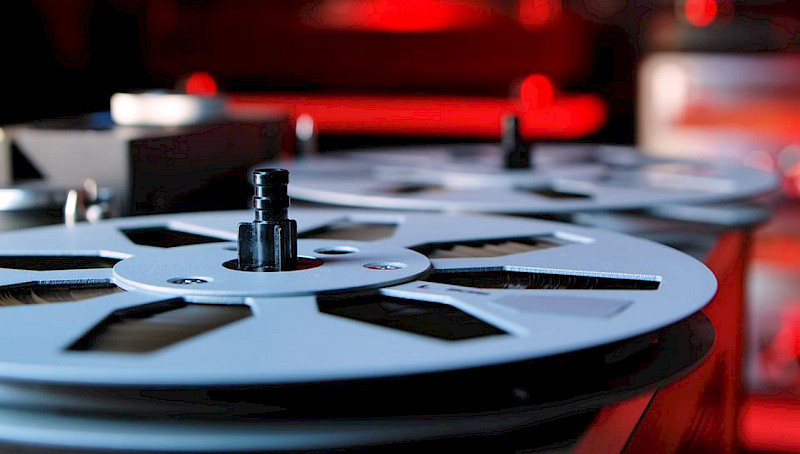
In the early days of vinyl records, magnetic tape was the go-to recording medium. However, tape had a quirk known as print-through. During storage, magnetic information from one layer of tape could transfer to adjacent layers. When played back, this could be heard as pre-echo. Pre-echo can also be transferred when tape is digitised for use as new masters.
2. The Cutting Process
As the master recording is transferred to a lacquer disc or Direct Metal Master (DMM), though rarer on DMM due to the harder material, the cutting stylus can cause slight flexing of the groove wall. This flexing sometimes penetrates the previous revolution, embedding a hint of the upcoming audio information. This effect is particularly noticeable when the previous groove is 'quiet' or unmodulated.
3. The Pressing Stage
At this stage it is rarer for pre echo to occur. However, freshly cut lacquers are under tension and as they're transported and go through the electroforming process, this tension can release, potentially altering the groove shape very slightly. These small changes can increase or decrease the presence of pre-echo.
Factors Influencing Pre-Echo
The prominence of pre-echo isn't constant, it varies based on:
- The dynamics and frequency content of the audio
- The quality of the pressing
- The precision of your playback system
Interestingly, pre-echo tends to be more noticeable in the left channel and during highly dynamic passages.
Managing Pre-Echo
While pre-echo can't be completely eliminated, it can be minimised through careful mastering and pressing techniques. The use of test pressings is crucial in this process.
Other Influences on Pre-Echo Perception
Several factors can affect how much pre-echo you hear:
- Signal processing: Certain audio settings such as equalisation and bass boost might emphasise pre-echo.
- Environmental noise: Background sounds can help mask pre-echo.
- Playback equipment: High-end systems and headphones might reveal more pre-echo. It’s often more noticeable through headphones as these will eliminate background noise.
Embracing the Analogue Experience
Pre-echo is part of what gives vinyl its unique character. It's a reminder of the physical nature of analogue audio reproduction, adding to the warmth and depth that vinyl brings.
Next time you lower the needle onto your favourite record, listen closely in those quiet moments. You might just catch a whisper of pre-echo, a subtle reminder of the complex journey from studio to turntable.
Andreas Kohl
More articles from Breed
Pre-Echo Knowledge
Recording to tape or digitising tape for new masters. In addition, the dynamics and frequency content of the audio can have an influence.
Always check your test pressings.
What can you do about pre-echo?
Although it rarely happens, pre-echo can occur on a vinyl pressing. In most cases you may never even notice it, but always check your test pressings, as more often than not it will have occured at the recording or mastering phase of the process.