What is Audiophile Vinyl: a quality standard or just a marketing term?
Browse any online record store and you'll quickly find albums described as audiophile pressings and the term appears on countless record releases. The term suggests exceptional sound quality, meticulous production and an experience that goes beyond an ordinary release. But unlike terms such as Hi-Fi, which are backed by recognised technical standards, audiophile has no formal definition. So is it a useful term and what does it actually tell us about a record?
In other words, there is no specification that automatically qualifies a record as audiophile. The term describes an aspiration rather than a measurable standard. That doesn't make it meaningless; quite the opposite. An audiophile release is usually aimed at listeners who value sound quality above almost everything else. The challenge is that different labels, mastering engineers, pressing plants and collectors often have very different ideas about what that means.
Quality begins long before the press
The sound of a record is determined by every stage of production; not just by the pressing itself. It starts with the recording. High quality microphones, carefully designed studios and experienced engineers can capture more detail and preserve greater dynamic range. Mixing and mastering then shape the final presentation before the audio is prepared for vinyl. Some releases remain entirely within an analogue signal chain from recording to lacquer cutting, while others use high-resolution digital masters. Neither approach automatically guarantees better sound. What matters is the quality of the work at each step.
The pressing matters Too
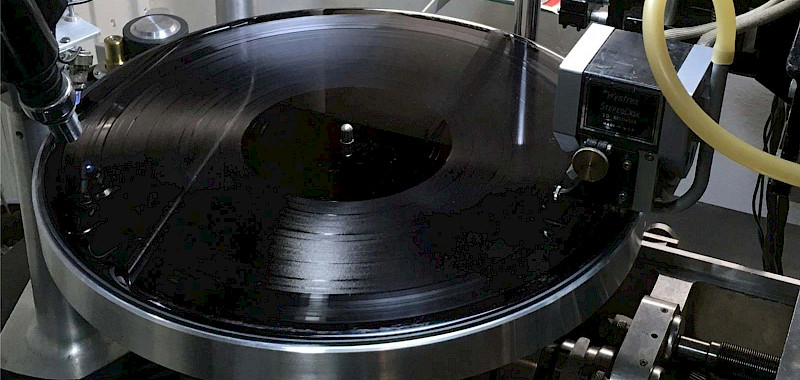
Once the master reaches the pressing plant, numerous decisions can further influence quality. Well maintained cutting equipment, carefully produced stampers, premium compounds, tight process control and extensive quality inspections all increase the likelihood of producing excellent records. Some premium editions are manufactured with deliberately lower production yields, allowing stricter selection of the best copies before packaging.
Packaging itself is also part of the equation. Anti-static or rice-paper inner sleeves, such as those made by Nagaoka or MasterSleeve, help protect the record from scratches and paper dust during transport and storage. None of these measures alone creates an ‘audiophile‘ record, however together, they can significantly improve the final product.
Where marketing meets reality
The term becomes more complicated when marketing enters the picture. Certain production techniques are widely associated with audiophile releases. Half-speed mastering, for example, involves cutting the lacquer at half the normal speed, giving the cutting head more time to reproduce complex high-frequency information. Whether the audible benefits justify the additional effort depends on the recording, the engineer, and ultimately the listener.
Other claims deserve a more critical look.
One example is the phrase ‘Pure Virgin Vinyl‘. It sounds impressive, but for newly manufactured records it is largely redundant. Standard record production already relies on new PVC compound rather than recycled material unless recycled content is explicitly specified. Another common selling point is 180 gram vinyl. While heavier records often feel more substantial and can improve handling during manufacturing, the additional weight does not inherently improve sound quality. A poorly mastered 180 gram record will still sound poor, while a well produced standard weight pressing can sound outstanding.
So what makes a record audiophile?
Perhaps the simplest answer is: there is no single ingredient. An audiophile record is usually the result of many small decisions made throughout recording, mastering and manufacturing, all with the goal of extracting the highest possible quality. Different producers prioritise different aspects, and different listeners value different characteristics.
That’s why the term should be treated as a description rather than a guarantee. For buyers, it's worth looking beyond the sticker. Who mastered the record? Was it cut from the original tapes or a high-resolution transfer? Where was it pressed? These details often say far more about the likely quality than the word audiophile ever could. And ultimately, the final judge isn't a specification sheet or a marketing slogan; it's your ears.
More articles from Breed
Audiophile Vinyl Records FAQs
No. Unlike Hi-Fi, ‘audiophile‘ is not defined by any international technical standard. It is a descriptive term rather than a certified quality label.
Not necessarily. It often indicates extra care during production, but the term itself is not a guarantee of superior sound quality
No. Heavier records feel more substantial and can offer practical manufacturing benefits, but the weight alone has no direct influence on sound quality.
It is a cutting technique in which the lacquer is cut at half the normal playback speed. This can improve cutting accuracy for certain recordings, but the audible benefit depends on the source material and the mastering engineer.
Usually not. New records are generally pressed from new PVC compound. Unless recycled content is intentionally used, the phrase is largely a marketing description rather than a unique technical feature.
Details such as the mastering engineer, source material, pressing plant and quality control tell you far more about a record than the label "audiophile" on the cover.